


January 22, 2026
The holidays can be full of small changes that add up—late nights, sugary snacks, more coffee, and skipped routines. After everything settles, it’s common to notice your teeth feel “off.” Maybe your gums seem irritated, your jaw feels sore, or one tooth is suddenly sensitive. These symptoms don’t always mean something serious, but they shouldn’t be ignored either. A few simple checks at home and a timely visit for Murfreesboro family dental care can help you understand what’s normal, what needs attention, and how to get your smile back on track.

Why Teeth Often Feel “Off” After the Holidays
Holiday Routines Change More Than You Think
Even people with solid dental habits tend to loosen routines during the holidays. Travel, busy schedules, and long days can lead to rushed brushing, skipped flossing, or falling asleep without properly cleaning your teeth. One week of inconsistent care can lead to plaque buildup that irritates the gums or increases sensitivity.
More Sugar, More Snacking, More Acid Exposure
Holiday foods often include sticky sweets, frequent grazing, and beverages that can harm enamel. Sugary snacks feed cavity-causing bacteria, while acidic drinks can soften enamel. If you’re sipping coffee, wine, soda, or citrus-based drinks more often than usual, your teeth may feel more sensitive afterward.
Stress Can Show Up in Your Mouth
Stress doesn’t always feel emotional. Sometimes it shows up physically, especially in the jaw. Clenching and grinding often increase during busy seasons, which can leave teeth feeling sore, worn down, or sensitive in specific areas.
First, Pay Attention to What “Off” Actually Means
Sensitivity vs. Sharp Pain
Sensitivity often feels like a quick zing when eating something cold, hot, or sweet. Sharp pain tends to feel more sudden, pinpointed, and harder to ignore. Sensitivity can result from enamel wear, gum recession, or recent use of whitening products. Sharp pain may suggest a crack, deep decay, or inflammation near the nerve.
One Tooth vs. Multiple Teeth
If multiple teeth feel sensitive, it may point to changes in diet, brushing habits, enamel irritation, or grinding. If one tooth feels noticeably different, that’s often a stronger reason to schedule an exam. A single-tooth issue tends to be more specific, such as a damaged filling, cracked tooth, or developing cavity.
A New Feeling When You Bite
A bite that suddenly feels uneven or uncomfortable may indicate swelling, shifting, or an issue with a filling or crown. This symptom is easy to brush off, but bite changes are worth checking early.
What to Check at Home If Teeth Feel “Off”
Check Your Gums for Swelling or Bleeding
Look for signs of inflammation such as redness, puffiness, or bleeding during brushing. Gums can become irritated after holiday snacking, especially if sticky foods stay in contact with teeth longer than usual. Bleeding may also be linked to flossing that became less consistent during travel or busy weeks.
If bleeding is mild and improves within a few days of consistent brushing and flossing, that’s a good sign. If it continues or worsens, it may indicate deeper gum inflammation that benefits from a professional cleaning.
Look for Rough Edges or Small Chips
A small chip may not hurt, yet it can create rough edges that trap plaque or irritate the tongue. Chips can happen from hard foods, ice chewing, or biting down unexpectedly on something firm. If you feel a sharp spot with your tongue or floss shreds when you clean between two teeth, the tooth may be chipped or cracked.
Pay Attention to Dry Mouth
Dry mouth often occurs after the holidays due to dehydration, alcohol, increased caffeine intake, or medication changes. Saliva plays an important role in neutralizing acids and washing away food particles. When your mouth feels dry, it becomes easier for plaque to build and for enamel to feel more sensitive.
You may notice dry mouth when waking up, speaking for long periods, or feeling like you need constant sips of water.
Notice Any Jaw Soreness or Headaches
Jaw soreness, tightness, or morning headaches may be connected to clenching or grinding. These habits often increase under stress and may continue even after the holidays end. Grinding can cause teeth to feel achy or sensitive, especially on the chewing surfaces.
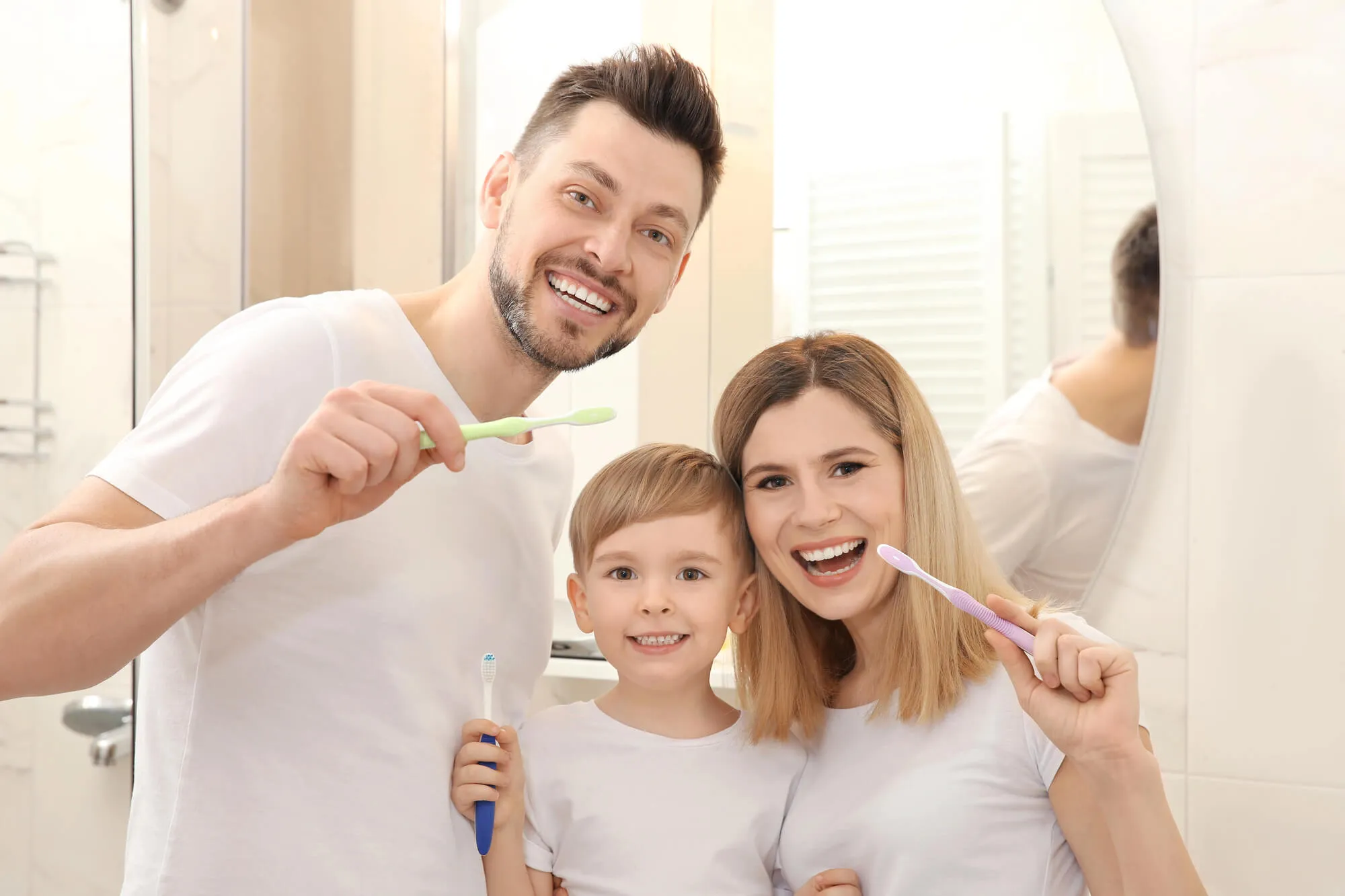
Common Post-Holiday Issues That Can Make Teeth Feel “Off”
Early Cavities
Cavities often start silently. After a period of frequent sugar exposure, you may notice mild sensitivity or a tooth that feels “different.” Cavities can develop between teeth where brushing misses, especially if flossing was inconsistent during holiday travel.
This is one reason post-holiday checkups are useful. Cavities are easier to address when identified early, before they affect deeper tooth layers.
Gum Inflammation
Gums react quickly to plaque buildup. If your gums feel tender or bleed when brushing, it may be a sign of inflammation. Some people also notice a “puffy” feeling along the gumline after weeks of snacking and less consistent brushing.
A cleaning can help reset gum health and remove tartar that cannot be brushed away at home.
Tooth Erosion
Acidic drinks and frequent snacking can soften enamel. While enamel cannot grow back, early erosion can be managed through habits that reduce acid exposure and strengthen enamel. Signs of erosion may include sensitivity, a smoother tooth surface, or increased discomfort with hot or cold foods.
Worn Fillings or Old Dental Work
Older fillings, crowns, or bonding can shift or wear down with time. If you bite down and feel a new pressure point, or if food keeps getting stuck in the same spot, an older restoration may need adjustment.
Sometimes the issue is small and can be addressed quickly once identified.
Cracked Teeth
Cracks do not always cause pain at first. You may notice discomfort when chewing, sensitivity to temperature, or a tooth that feels sharp on one side. Hard foods and grinding can increase the risk of cracks.
A crack should be evaluated early because delayed care can lead to more severe structural problems.
Habits That Can Make “Off” Feel Worse
Brushing Too Hard
After the holidays, some people try to “make up for it” by brushing aggressively. This can irritate gums and wear enamel at the gumline. A gentle brush with soft bristles is more protective than scrubbing hard.
Using Whitening Products Too Soon
Whitening strips or strong whitening toothpastes can increase sensitivity, especially if the enamel is already irritated. If your teeth feel off, it may help to pause whitening and focus on gentle, protective care.
Chewing Ice or Hard Foods
Hard chewing can stress teeth and trigger discomfort if enamel is worn or a crack is present. If your teeth feel sensitive, switching to softer foods for a few days can help reduce strain on them.
When It’s Time to Schedule a Dental Visit
Sensitivity That Lasts More Than a Week
If sensitivity continues after you return to your normal routine, it’s worth checking. Ongoing discomfort often indicates a concern that needs professional evaluation.
Swelling, Bleeding, or Gum Tenderness That Doesn’t Improve
Gum irritation may calm down with consistent care, but persistent swelling or bleeding is a reason to schedule a cleaning and exam.
Pain When Chewing
Pain when biting down can indicate a crack, a filling issue, or tooth inflammation. Even if it’s mild, this symptom should be addressed early.
A Tooth That Feels Different From the Rest
A tooth that feels “off” compared to the others often signals a specific issue. An exam and X-rays help identify whether the cause is decay, damage, or a restoration problem.
What a Dentist Looks for During a Post-Holiday Checkup
Plaque and Tartar Buildup
Your dentist and hygienist look for buildup around the gumline and between teeth. Even strong brushers can miss these areas, especially during a season of rushed routines.
Gum Health Changes
Gums are assessed for bleeding, inflammation, and early signs of gum disease. This helps determine whether the focus should be hygiene support, deep cleaning needs, or home care adjustments.
Enamel Changes and Wear Patterns
Dentists check for signs of erosion, thinning enamel, and wear caused by grinding. These details help guide advice that matches your daily routine.
Hidden Decay or Cracks
Dental imaging can reveal early decay, cracks, and issues under old fillings that cannot be seen on the surface. This is one reason self-checks at home are helpful, but not a substitute for an exam.
Simple Ways to Reset Your Dental Routine After the Holidays
Return to Twice-Daily Brushing and Daily Flossing
Getting back to basics is often the most effective reset. Consistency matters more than trying to do everything at once. Brushing twice daily and flossing once daily helps reduce plaque buildup and calm gum inflammation.
Drink More Water
Water supports saliva production and helps wash away food residue. It’s especially useful after coffee, sweets, or acidic foods.
Choose Snacks That Support Teeth
Instead of frequent grazing on sugary snacks, choose options that are less sticky and less sugary. Cheese, nuts, vegetables, and yogurt are often easier on enamel and gums.
Consider a Night Guard if You Grind
If your jaw feels sore or you wake up with headaches, grinding may be part of the issue. A night guard can protect teeth and reduce strain on the jaw.

Get Your Smile Back on Track With Murfreesboro Family Dental Care
Feeling like your teeth are “off” after the holidays is common, and in many cases, it’s manageable with the right steps. The key is knowing what to watch for and addressing concerns early rather than waiting for discomfort to worsen. Whether it’s sensitivity, gum irritation, bite changes, or a tooth that simply feels different, a dental exam can provide clarity and support.
At Stonetrace Family Dental, we believe dentistry should feel calm, respectful, and supportive for every age. Our team focuses on preventive care, clear communication, and long-term relationships that help families feel comfortable returning for routine visits year after year. If your teeth feel off after the holidays, we’d be glad to help you get back to feeling confident in your smile. Reach out to our team today for a consultation.


.png)